
Navigating Our Options
This page gives you a sense of what therapeutic pathways you may want to leverage or explore. Most people who are serious about turning their life around do a combination (the provider and their compatibility with the patient is also very important to the success). If you don’t give up, you’ll keep trying until you find an approach that works. This explains why patient motivation is typically more important than the intervention.
Anything that is not adequately covered here can be explored in an accessible manner with VeryWellMind with peer reviewed articles for the public. Our role is simply to give you the best hits and curating it for a neurodivergent audience.
Healing Beyond Talk Therapy: The Body Keeps the Score
Traditional talk therapy isn’t the only path to healing. Research increasingly shows that trauma and stress are stored in the body, and many effective healing approaches work directly with the nervous system and physical experience (Kolk 2014).
What Is Somatic Release?
Somatic release is your body’s natural healing process - the spontaneous unwinding of stored tension, trauma, and stress when your nervous system finally feels safe enough to let go.
How It Works
Your body forms physical “holdings” through compression, tension, and contraction to help you survive overwhelming experiences. When you finally feel truly safe and supported, these holdings can begin to release naturally:
- Organs shift and free themselves from compressed or “stuck” positions
- Chronic stomach tension may have pushed organs against your ribcage, displacing them, restricting circulation and function, and leading to a buildup of cellular waste/“toxins”, and may engage a whole slew of issues from digestion to energy.
- Fascia tissues soften, allowing blood and lymph to flow more freely
- Stored survival energy is discharged from your nervous system (see below). These metabolic pathways are generally exothermic which means during intensive healing session with people who are attuned to their body, they can report feeling suddenly very warm and experiencing perspiration (not just because of the restored circulation).
- Epinephrine and Norepinephrine breakdown via monoamine oxidase (MAO) and catechol-O-methyltransferase (COMT)
- These reactions are highly exothermic, releasing significant heat energy
- The metabolism of these stress hormones can produce rapid temperature changes
- \(11β\)-hydroxysteroid dehydrogenase enzyme systems
- Hepatic metabolism through CYP3A4 and other cytochrome P450 enzymes
- These processes require substantial metabolic energy and generate heat
- Phosphocreatine system discharge from chronically tense muscles
- Glycolytic pathway activation as stored muscular tension releases
- Mitochondrial respiration increases as cellular energy demands shift
- Cori cycle activation to clear metabolic byproducts
- Lactate dehydrogenase reactions that generate heat
- Muscle tissue pH normalization processes
Long-held physical patterns reorganize into healthier, more adaptive configurations
When Does It Happen?
Somatic release typically occurs when several conditions align:
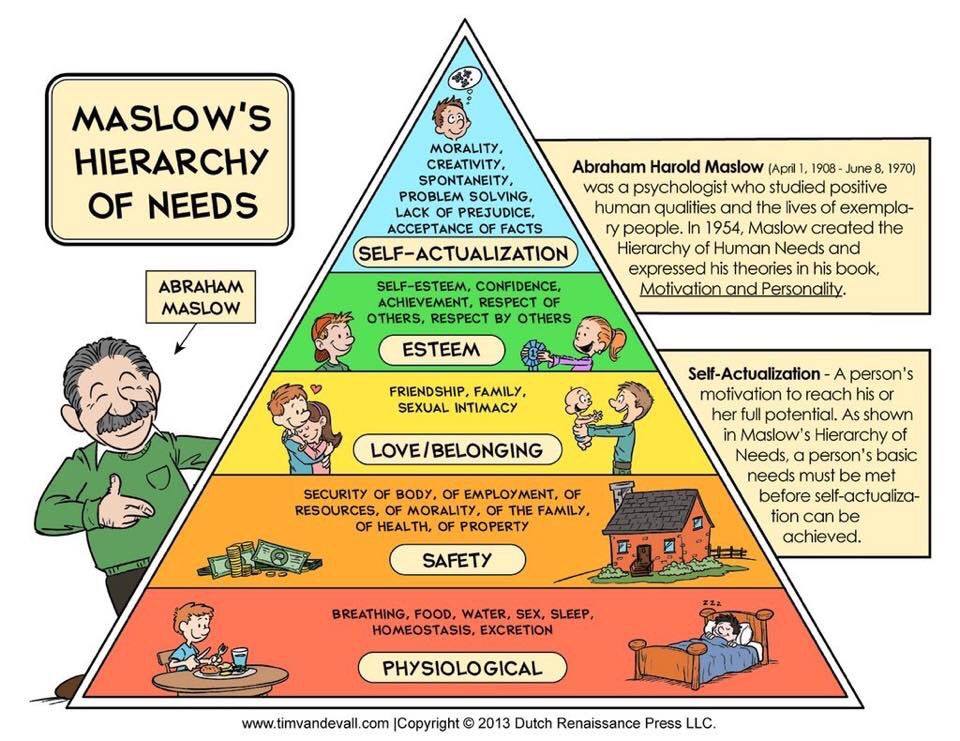
Safety and Support
- You feel genuinely protected in your relationships and environment
- Stress hormones like cortisol and adrenaline significantly decrease
- You have adequate emotional, physical, and social resources
- You have made progress on dissociation effected between mind and body that our systems usually raise to make hard situations more manageable
Permission to Heal
- You have space to rest rather than just survive
- You’re not in active crisis or immediate danger
- Your system can focus energy on repair work
Common Triggers
- Finding authentic acceptance and proper accommodations
- Supportive relationships that reduce chronic stress
- Positive life changes like falling in love (which creates supportive brain chemistry of oxytocin and the like acting as a booster)
- Consistent practices like meditation or yoga
- Medical leave or time away from stressful situations
What to Expect
Physical Sensations:
- Feeling of tissues “unsticking” or unwinding, especially in your torso
- Sudden warmth or improved circulation throughout your body
- Increased perspiration as your system rebalances
- Sense of “coming online” in your body in new ways
Emotional Experience:
- Releases that feel cathartic rather than overwhelming
- Increased capacity for emotional regulation
- Improved energy and sense of lightness
- Greater resilience and ability to bounce back from stress
Supporting Your Process
Allow the Natural Flow
- Trust your body’s wisdom rather than trying to control the process
- This cannot be forced - it happens when conditions are right
- Your nervous system knows how to heal itself
Maintain Supportive Conditions
- Keep safe, supportive people around you when possible
- Protect your healing environment as much as you can
- Consider medical leave if you’re in an intensive release phase
Care for Your Body
- Rest deeply - your system needs significant energy for this work
- Eat more than usual - healing is metabolically intensive
- Stay well-hydrated and nourished
- Listen to your body’s needs for sleep and downtime
Seek Professional Support When Needed
- Work with trauma-informed somatic practitioners
- Consider therapists trained in body-based approaches (EMDR, Somatic Experiencing)
- Reach out if releases become overwhelming rather than manageable
Therapy Considerations for Neurodivergent People
Understanding Your Starting Point
If you’re neurodivergent, especially if diagnosed as an adult, you may have grown up thinking mainstream coping strategies would work for you. However, neurodivergence is often inherited, meaning traditional approaches designed for neurotypical people may not be the best fit.
The Limits of Distraction-Based Approaches
Many Western therapeutic approaches, including parts of modern CBT, rely heavily on distraction techniques (“Keep Calm and Carry On”) (Woodward et al. 2020). While these can be helpful for managing day-to-day spiraling, they have significant limitations:
When Distraction Helps:
- Getting through daily routines that stabilize mood like eating and going to the gym
- Managing interactions where opening up isn’t safe
- Short-term emotional regulation
When Distraction Doesn’t Help:
- Processing deeper trauma or PTSD symptoms; “fixing the problem”
- Resolving intergenerational trauma or “soul wounds”
- Addressing root causes rather than just managing symptoms
Important Note: Destructive and maladaptive pathways always get worse with delayed treatment as they get more entrenched overtime. If distraction is your only tool, you may inadvertently postpone getting the deeper help you need. Anyone can and will get better with effort, it’s just going to take more time to undo if you start later.
Patience and kindness with yourself matters. We encourage you to use this awareness to further motivate yourself to get better! 1) You will get what you put in and 2) we feel and hope these resources can leapfrog you forward. ❤️
Alternative Therapeutic Approaches
Psychoanalysis
Though considered “old-fashioned,” psychoanalytic approaches can be valuable for:
- Understanding and noticing family patterns and intergenerational trauma, rather than fixing them
- Confronting difficult truths that inhibit growth
- Understanding and learning to communicate the roots of current struggles
- Works best combined with approaches that also build positive coping skills
Acceptance and Commitment Therapy (ACT)
- Focuses on your values and what matters most to you
- Helps move toward your ideals and away from what feels like hell
- Combines depth of insight with practical skill-building
Solution-Focused Brief Therapy (SFBT)
- Concentrates on solutions rather than problems
- Focuses on current strengths and future possibilities
- Uses questions like: “If you woke up tomorrow and your life was exactly how you wanted it, what would be different?”
Key Questions for Your Healing Journey
Before choosing any therapeutic approach, consider:
- Are you trying to “fix” valid neurodivergent differences or accommodate them?
- Is your goal to address symptoms (reactive) or confront root causes (proactive)?
- Are you expecting to mask your neurodivergence or identify authentic and sustainable ways to thrive?
Remember: If an approach isn’t working after genuine effort, the problem is likely the approach, not your commitment to healing.
Your body has an innate capacity to heal when given the right conditions. Trust the process, seek appropriate support, and remember that healing is not a linear journey. You will get better as long as you keep trying, learning, staying open to challenging your own assumptions, taking responsibility for your growth, and asking for help.